
Dental Crowns & Bridges
A crown rebuilds a tooth that has too little left to fill. A bridge replaces a missing one using the teeth either side.
- Shop 5/23-26 Station St, Kogarah NSW 2217
- Mon–Wed & Fri 9:00am–5:00pm · Thu 9:30am–6:30pm · Sat 9:00am–1:00pm
- (02) 9281 0007
Village Dental Kogarah offers custom dental crowns and bridges to restore broken, weakened, or missing teeth — using shade-matched porcelain and zirconia materials for results that blend seamlessly with your natural smile. Your Village Dental dentist uses digital impressions and precise prep techniques to ensure each restoration fits comfortably, protects the underlying tooth, and lasts for years. Patients from Kogarah, Rockdale, Sans Souci and Bexley choose Village Dental Kogarah for reliable restorative work that looks natural and feels like home. Schedule a consultation or call (02) 9281 0007.

Why Do You Need a Dental Crown?
In the past, you may have had fillings to repair your teeth therefore you may wonder why you require an onlay or crown this time? Both of these options are an ideal way to restore teeth that have large, old restorations that can’t be repaired. Dental crowns also help to strengthen teeth after root canal therapy. These restorations are also recommended to restore a tooth that has been fractured or extensively damaged by decay in a way that a filling can’t fix.
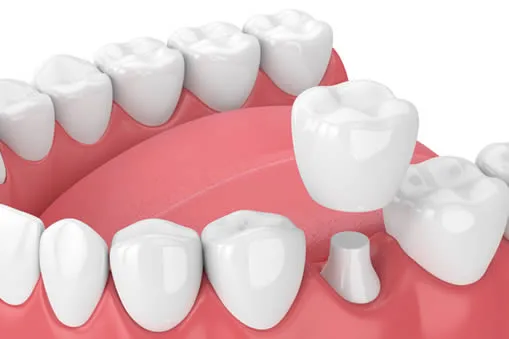
Crowns are designed to adhere to your remaining tooth structure and cover your tooth like a cap. This allows it to encase the entire tooth, so you can eat, chew, brush, and floss with ease again.

Why Do You Need a Dental Bridge?
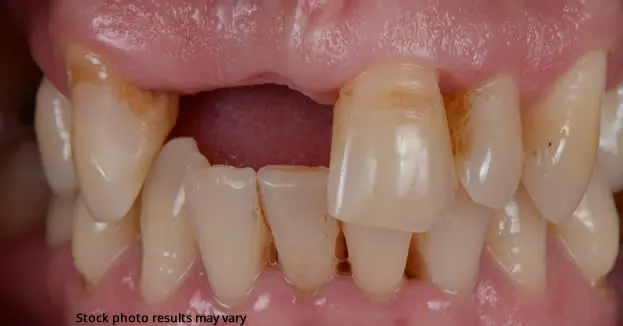
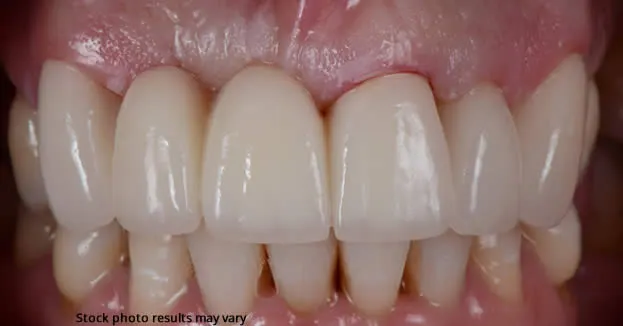
Missing teeth look unattractive, undermine your self-confidence, and make speaking and chewing uncomfortable. A bridge is a solution for replacing one or multiple missing teeth that are adjacent. It relies on adjacent teeth as anchors for one or more prosthetic teeth in the middle. These teeth support the bridge which will restore the lost function and aesthetics.
There are benefits when choosing a dental bridge such as:
• A bridge is a fixed, long-term solution that can be a better choice for some patients than an appliance that is removable.
• A bridge prevents teeth from drifting into the empty space
• A bridge is a great alternative when we can’t utilise a dental implant.
What Types of Dental Bridges Are Available?
Dental crowns generally have a uniform structure, but the various types of dental bridges exhibit distinct variations in their structure. At present, four different types of dental bridges are available: traditional, cantilever, Maryland, and implant-supported. The traditional dental bridge is composed of two dental crowns utilised as anchors with a fake tooth or teeth placed in the middle, making it one of the most widely used types of dental bridges. Similarly, a cantilever bridge utilises an anchor crown only on one adjacent tooth to the missing tooth. Due to the potential excessive strain on the anchor tooth, cantilever bridges are usually not recommended, although they may be necessary towards the back of the mouth. A Maryland dental bridge, like a traditional dental bridge, employs the same structure, but instead of dental crowns, it employs a metal framework attached to the backs of the two teeth on either side of the gap. Finally, an implant-supported dental bridge is identical in structure to a traditional bridge, but with dental implants serving as the anchor teeth.
What Types of Dental Crowns Are Available?
Although the structure of dental crowns remains consistent, the materials used to make them can vary significantly. Dental crowns are typically made from stainless steel, metal, porcelain fused to metal, all-resin, or all-ceramic/all-porcelain materials. Stainless steel crowns are commonly used in children on baby teeth or as temporary crowns, while metal crowns made from gold, platinum, or base metal alloys are a more common choice for permanent crowns. Porcelain fused to metal (PFM) crowns feature a metal base with a ceramic exterior, which provides both strength and a natural appearance. All-resin crowns are made from dental composite resin and can be colour-matched to your teeth, while all-ceramic/all-porcelain crowns offer a stronger alternative to all-resin and can also be matched to the natural colour of your teeth.
Transcript
How Is a Dental Crown or Bridge Placed
Placing a dental crown or bridge requires two appointments. During the initial appointment, dental impressions will be taken, and your tooth or teeth will be prepared. Dental impressions are critical in creating a mould of your mouth that will be sent to a dental laboratory. The dental laboratory will use this information to create a custom-made dental crown or bridge. Your tooth or teeth will also need to be prepared for the placement of a crown or bridge. To accomplish this, your mouth will first be numbed to ensure your comfort. The decayed tissue is then removed, and the remaining tissue is reshaped. This process will need to be repeated for each tooth that is receiving a dental crown. Once the tooth is shaped, a temporary crown or bridge will be installed to protect the teeth while the permanent restoration is being fabricated.
Upon completion of the permanent restoration, you will return to our office for a second appointment. During this second visit, the temporary crown or bridge will be removed, and your teeth will be cleaned before placing the permanent restoration.
Why Choose This Treatment
Restores Full Function
Crowns and bridges allow you to chew, speak, and bite with the same force and comfort as your natural teeth — no dietary restrictions required.
Natural Appearance
Porcelain and zirconia materials are colour-matched to your surrounding teeth so precisely that your crown or bridge is virtually indistinguishable from natural enamel.
Protects Damaged Teeth
A crown seals and reinforces a cracked or weakened tooth, preventing further fracture and shielding it from bacteria that could cause decay or infection.
Long-Lasting Durability
With proper care, well-placed crowns and bridges routinely last 10–15 years or longer — making them one of dentistry's most cost-effective long-term investments.
Replaces Missing Teeth
A dental bridge fills gaps left by one or more missing teeth with a stable, fixed restoration — no removal, no adhesives, and no shifting during meals.
Preserves Jaw Structure
Bridges prevent the bone loss and tooth shifting that occur when gaps are left untreated, maintaining the integrity of your bite and facial structure long term.
Is Dental Crowns and Bridges Right for You?
Dental Crowns and Bridges is a good fit if you are:
- Patients with a large cavity too big for a filling
- Patients with a cracked or weakened tooth
- Patients who have had a root canal and need protection
- Patients with a missing tooth who aren't candidates for an implant
This may not be the right option if:
- Patients with active gum disease (must be treated first)
- Patients with inadequate remaining tooth structure (may need extraction + implant instead)
What to Expect During Your Dental Crowns and Bridges Visit
Here is exactly what happens at your appointment at Village Dental Kogarah. Knowing each step makes the experience far less intimidating — and lets you relax knowing what comes next.
- 1. Numbing and preparation. Local anaesthesia is administered — a brief pinch, then nothing. Your Village Dental dentist gently reshapes the tooth to create space for the crown. You feel pressure and vibration, but no pain.
- 2. Digital impression. A small handheld scanner captures the exact shape of your tooth — no gooey impression material. The scan is sent to the lab for crown fabrication.
- 3. Temporary crown. A temporary crown is placed to protect the tooth while your final crown is made. You'll leave the office chewing normally, just avoiding sticky foods on that side.
- 4. Final placement. About two weeks later, you return for the final crown. Your Village Dental dentist removes the temporary, tries in the final, checks the fit and bite, and cements it permanently.
Crown vs Bridge vs Implant for a Single Missing Tooth
Here is how Dental Crowns and Bridges compares to the main alternatives. Your Village Dental dentist reviews all options with every patient at Village Dental Kogarah so you make the best-informed decision for your situation.
| Feature | Dental Bridge | Single Implant |
|---|---|---|
| Procedure time | 2 visits over 2–3 weeks | 3–6 months including healing |
| Preparation needed | Grind 2 neighbour teeth | Implant into jawbone |
| Average longevity | 7–12 years | 20+ years |
| Prevents bone loss | No | Yes |
| Cleaning at home | Special flossers needed | Normal floss |
| Typical cost range | Lower upfront | Higher upfront, better long-term value |
Common Concerns About Dental Crowns and Bridges
These are the questions patients at Village Dental Kogarah ask most often before committing to treatment. Your Village Dental dentist addresses each one honestly at your consultation.
"Crowns require grinding down the tooth — isn't that bad?"
Some removal of tooth structure is necessary, but your Village Dental dentist removes the minimum needed for a strong bond. If there isn't enough damage to justify a crown, he'll recommend a more conservative restoration like an inlay or composite filling instead.
"Crowns look fake or show a dark line"
Modern all-ceramic and zirconia crowns are metal-free, so there's no dark margin at the gumline. The translucency matches natural enamel — most patients can't tell which tooth is crowned.
"Bridges seem outdated — shouldn't I just get an implant?"
Implants are often the better long-term choice, but bridges still make sense when bone is inadequate, cost is a constraint, or healing time isn't available. Your Village Dental dentist will walk you through both options so you can decide with full information.
Risks and Considerations of Dental Crowns and Bridges
Every procedure has tradeoffs, and transparent conversation about them is part of informed consent. Your Village Dental dentist reviews these at your consultation and answers every question before treatment begins.
- Irreversible removal of tooth structure for preparation
- Temporary sensitivity to hot and cold after placement
- Bite may need fine adjustment in the first weeks
- Crown or bridge may eventually need replacement (10–15+ years typical)
- Bridge risks the health of anchor teeth (abutments)
How We Approach Dental Crowns and Bridges at Village Dental Kogarah
Zirconia and all-ceramic crowns are the default at Village Dental Kogarah whenever possible. They are stronger than older PFM (porcelain-fused-to-metal) crowns, match natural tooth colour more accurately, and eliminate the dark metal margin at the gumline that can appear over time.
A bridge remains a great option when implants are not possible or affordable, but every patient is walked through both choices. The long-term math often favours an implant — but the right answer depends on bone health, budget, and timeline, and that is a conversation had with every patient.
Reviewed by Dr. Anju Prajapati Maharjan — Village Dental, Kogarah NSW.
Frequently Asked Questions About Dental Crowns & Bridges
The lifespan of dental crowns varies depending on the material used, proper care, and oral hygiene. Generally, dental crowns can last between 5 to 15 years or longer.
With proper care, dental bridges can last up to 10 to 15 years or more, depending on the type of bridge, the materials used, and the patient’s oral hygiene habits.
To care for your dental crown, you should brush twice a day, floss daily, use an antibacterial mouthwash, and visit your dentist regularly for cleanings and check-ups.
Getting a dental crown typically involves some mild discomfort, but your dentist will administer local anaesthesia to numb the area and make the procedure as comfortable as possible.
Not everyone is a candidate for a dental crown or bridge. Your dentist will evaluate your oral health and determine if a dental crown is the best treatment option for you.
Yes. At our Kogarah dental office we offer dental crowns and bridges to patients from Kogarah and the surrounding area. Contact our office today to schedule an appointment.
With proper care, crowns typically last 10–15 years, and bridges last 7–12 years. Longevity depends on oral hygiene, bite forces, and material choice. Your Village Dental dentist will review care instructions during your appointment.
Australian health funds pay a set benefit for each item number rather than a percentage of the fee, and what you get back depends on your fund, your level of extras cover, your remaining annual limit and any waiting period. Crowns and bridges sit under major dental, which usually carries a twelve-month waiting period and a separate annual limit. We give you the item numbers and a written estimate before treatment so you can check with your fund first, and Denticare payment plans are available for any gap.
Traditional crowns and bridges typically require two visits — one for preparation and impressions, and one for placement of the final restoration about 2 weeks later. A temporary is worn in between.
Medical Disclaimer
This content is for informational purposes only and does not constitute dental or medical advice, diagnosis, or treatment. Crown and bridge procedures require removal of some natural tooth structure, which is irreversible. Possible risks include post-procedure sensitivity, bite adjustment needs, and eventual need for replacement. Consult your Village Dental dentist or a qualified dental professional regarding any questions about your oral health. Individual results may vary.
Before your visit, and after it
Most of what decides how a treatment goes happens outside the chair — what you bring with you, and what you do in the days afterwards. This is what we tell patients at Kogarah.
How to prepare
- Two appointments are usual — one to prepare and scan, one to fit. Allow about an hour each.
- Tell us about jaw problems or difficulty holding your mouth open so we can build in breaks.
- Check your health fund’s annual limits and any waiting period on major dental before you start.
Afterwards, and ongoing care
- A temporary crown is in place between visits — avoid sticky and very hard food on that side.
- If the temporary comes off, keep it and call us; it holds the space and stops sensitivity.
- Some cold sensitivity for a week or two after fitting is normal.
- Floss a bridge daily with a threader or interdental brush — decay under the abutments is what ends them.
Not sure whether something you are noticing is normal? Call (02) 9281 0007 and ask. You do not need an appointment to get an answer, and we would far rather hear from you early.
The materials and the technology we use
Both Village Dental practices are fully computerised, so planning happens on the screen beside you rather than being described to you. These are the specific materials and equipment involved in this treatment.
What goes in your mouth
- Zirconia
- Porcelain-fused-to-metal
- All-ceramic (e-max style) pressed porcelain
- Resin and glass ionomer luting cements
What we plan it with
- Intraoral scanning for digital impressions
- Digital X-rays and OPG for root and bone assessment
- Digital shade matching against your neighbouring teeth
Talk to us about dental crowns & bridges
Request a time online and we will confirm it with you, or call the practice and speak to someone who can answer your questions before you commit to anything.